
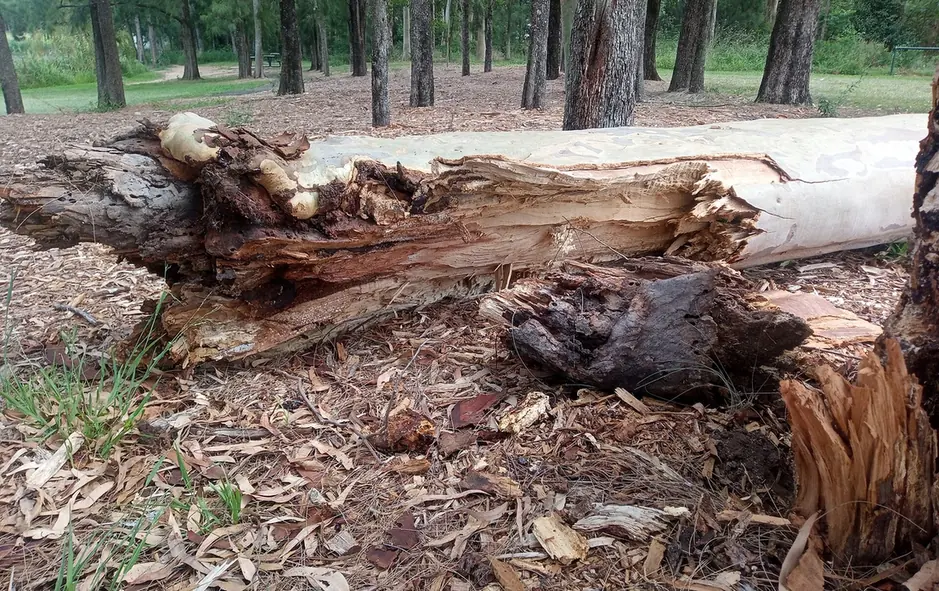
Tree Removal in Weymouth, MA
Some of them do have to come out. What decides the price is not the height, it is whether anything can reach the tree and where the pieces are going to land.
Three Things Decide a Removal Here
Whose tree it is, what can physically reach it, and whether the pieces can be lowered or have to be lifted. Height is almost an afterthought.
Whose tree, settled first
Anything within a few feet of the road gets the public shade tree question answered before a figure exists. Quoting a job that needs a hearing is not a quote, it is a guess.
What can reach it
Lots laid out in the sixties left narrow side access and back gardens that no machine gets into. That single fact drives more of the price than the species ever does.
Lowered or lifted
A climber can lower pieces where there is somewhere to land them. Where there is not, a crane picks them out over the roof, which costs more per hour and frequently less overall.
Written before cutting
Method, scope and figure on paper first. The number does not move because the morning ran long or the wood turned out heavier than it looked.
How a takedown Runs Here
Four steps, and the first one is paperwork rather than sawdust on anything near the road.
Call
Species if you know it, rough height, and how close to the road it stands. That last one decides whether this is a permit job.
Look
Somebody comes out, reads the base, trunk, unions and crown, and works out what can physically reach it.
Quote
Written scope naming the method, crane included or excluded explicitly, agreed before anything is booked.
Clear
Down, loaded and away, ground raked, and you walk it with the crew before the trucks pull off the street.
Lowering versus lifting it out
| On this job | Climb and lower | Crane lift |
|---|---|---|
| Narrow side gate, no road frontage | The only option available | Nowhere to set the machine |
| Tall oak directly over the roof | Every piece rigged and lowered | Sections lifted clear entirely |
| Dead wood, unsafe to climb | Not an appropriate method | Exactly what it is for |
| Hours on site | Longer, piece by piece | Often a fraction of the time |
| What drives the cost | Crew hours | Machine hire plus a smaller crew |
Four Ways a tree leaves a South Shore lot
Road frontage, side access and what sits underneath settle the method between them, usually before anyone looks up.
| Method | How it works | When it fits | What the site needs | Watch for |
|---|---|---|---|---|
| Felled whole | Hinged and dropped in one piece | Open ground with room to lay it out | A clear fall zone | Rare on a 1964 subdivision plot |
| Climbed and lowered | Taken apart top-down on ropes | Sound trees over roofs and fences | A tie-in and somewhere to land pieces | Slowest, and the usual answer |
| Crane lift | Sections picked out over the obstacle | Tight rear gardens with road frontage | Road space for outriggers | Needs the street, so timing matters |
| Aerial lift | Cut from a bucket rather than a rope | Roadside and open frontage | Firm ground the lift can stand on | Stops at a narrow gate |
Why removals in Weymouth turn on access
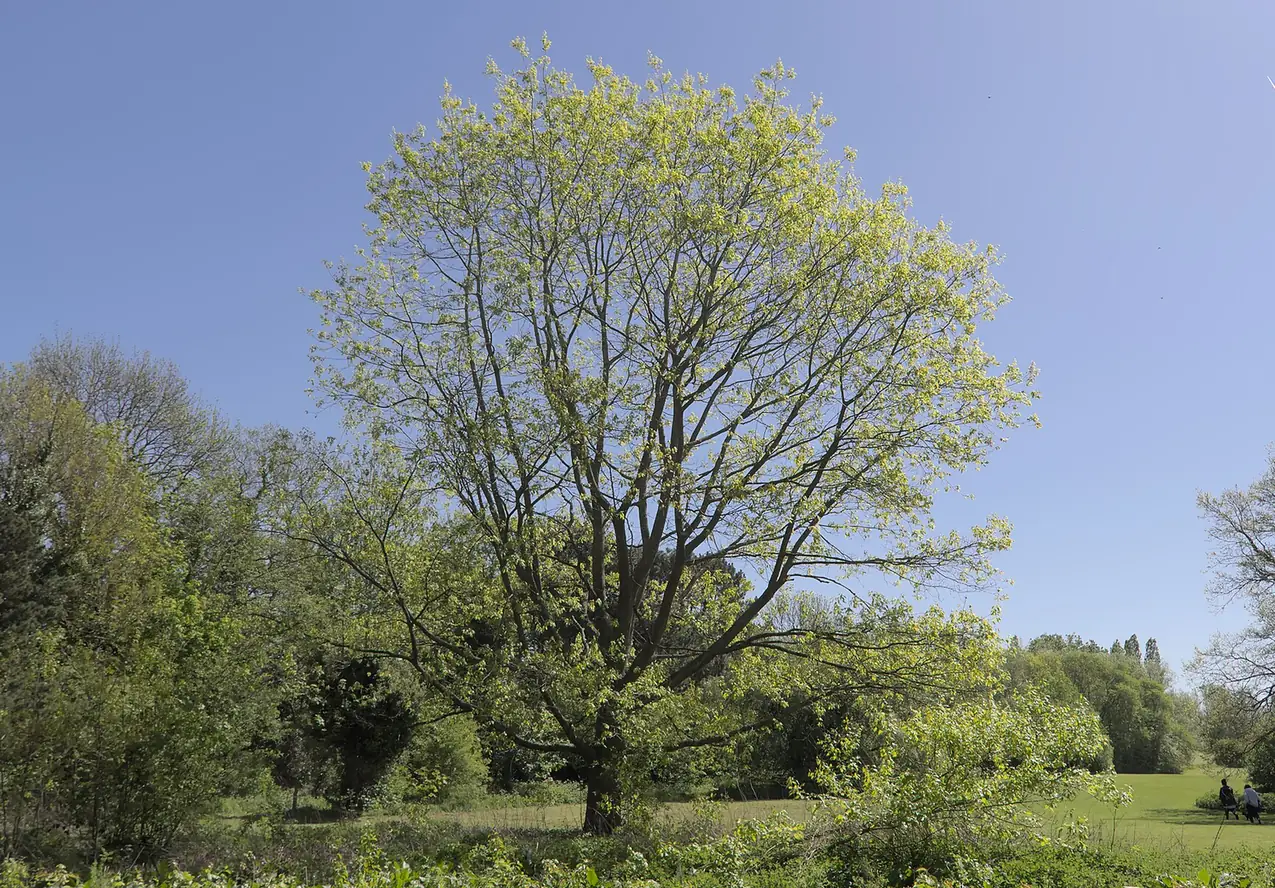
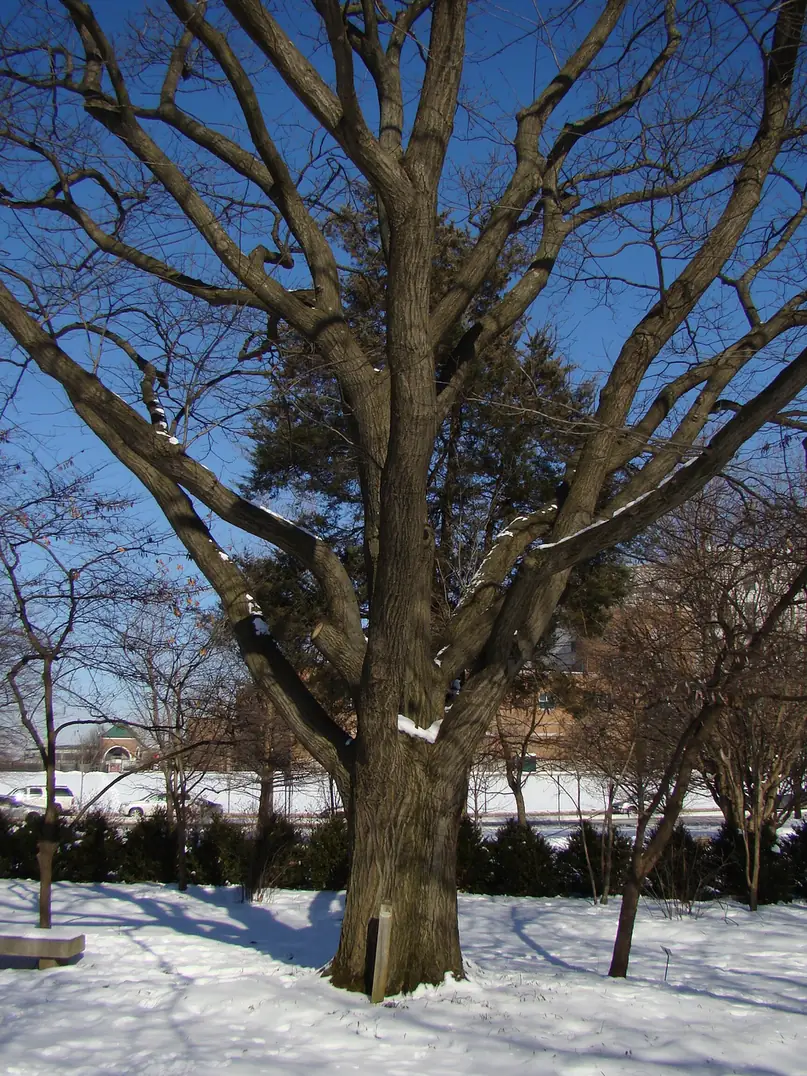
Because the lots were drawn before anybody planned for a sixty-foot oak. Weymouth built out mostly in the fifties and sixties around a median of 1964, on plots wide enough for a house and a driveway and not much else. The trees that went in with those houses are now mature red oak and sugar maple standing close to the eaves, with side gates too narrow for a machine and neighbours close on both sides. That is why so much work here is either climbed and lowered or lifted out by crane from the road, and why the first question on the visit is never how tall the tree is.
- ✓ Permit question first
- ✓ Climbed and lowered
- ✓ Crane where needed
- ✓ Neighbours considered
- ✓ Ground raked after
- ✓ Wood taken away
Six Jobs a Weymouth lot tends to need
Takedowns, crane work, pruning, stumps, storm callouts and the clean-up that follows a nor'easter.
Tree Removal
Dropped whole where the space exists, otherwise taken apart from the top on ropes.
Learn more →
Tree Trimming
Thinning, raising, reduction and deadwood, every cut set outside the branch collar.
Learn more →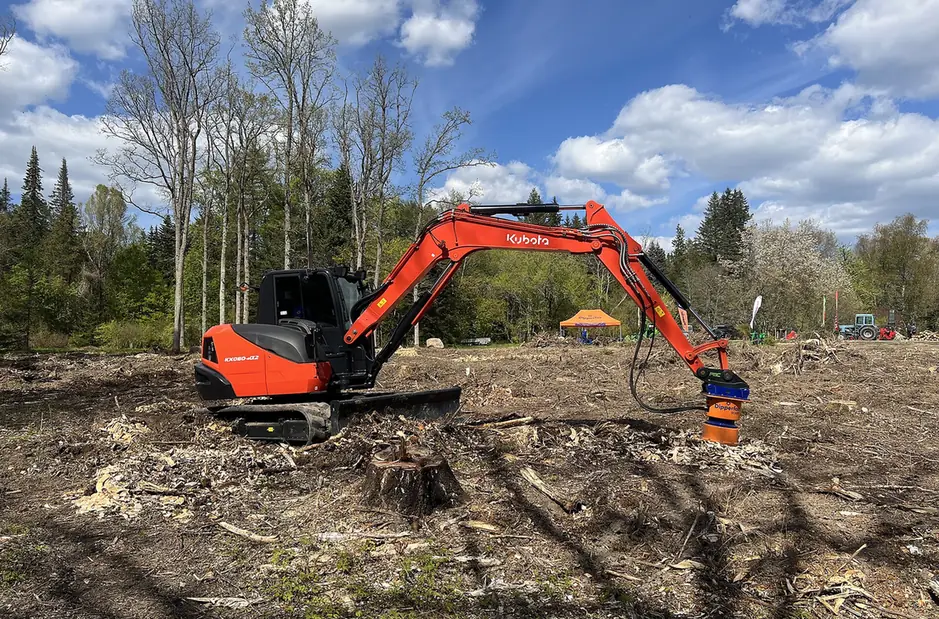
Stump Grinding
Ground out under the surface until the spot will take grass, a bed or a post again.
Learn more →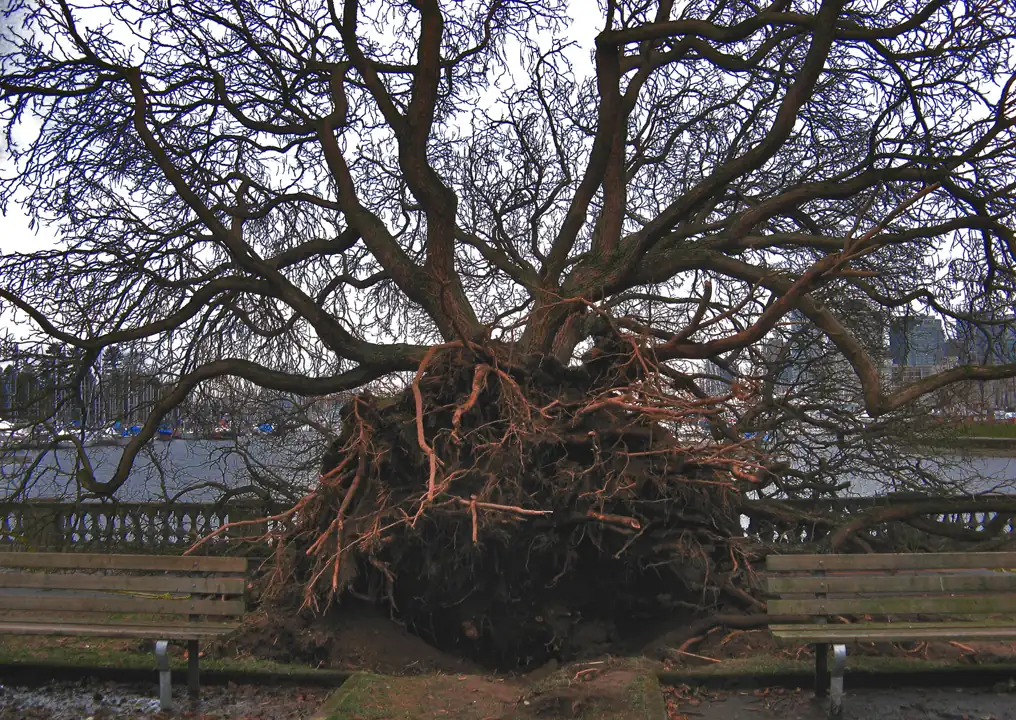
Emergency Tree Service
Anything on a roof, across a drive or leaning since the storm, seen ahead of the queue.
Learn more →
Crane-Assisted Removal
A crane lifts the sections out over the house when there is nowhere to lower them.
Learn more →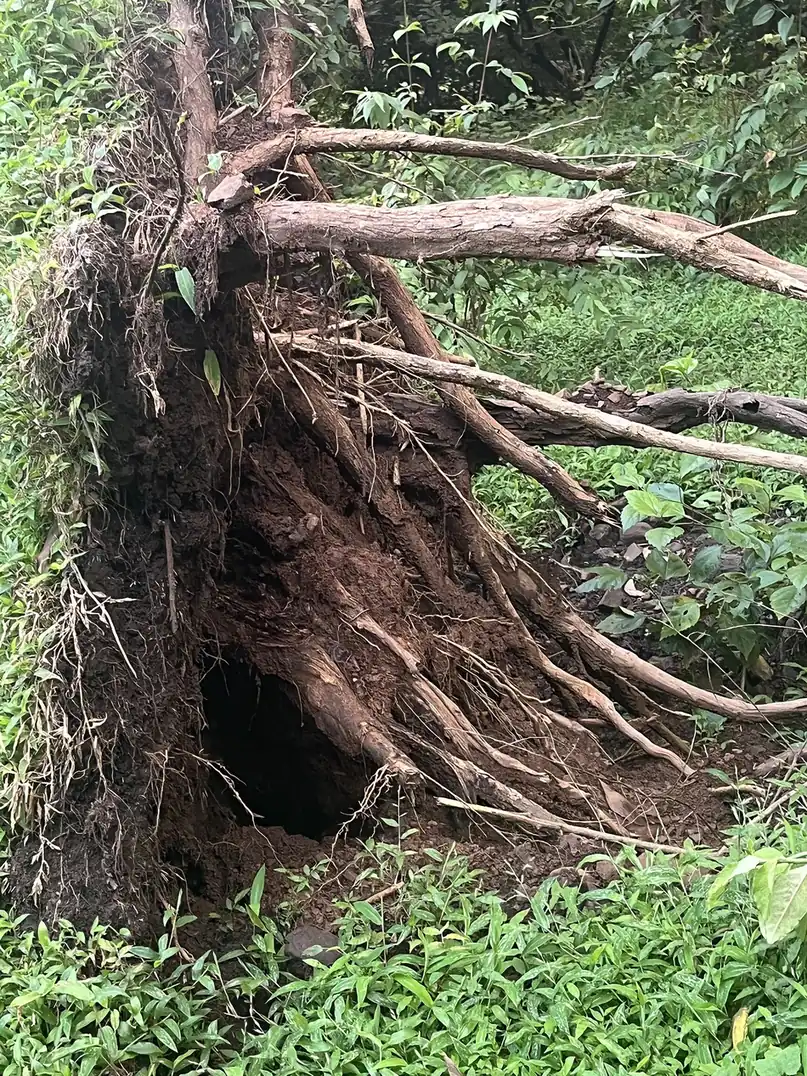
Storm Damage Cleanup
The clean-up after the wind: cut, chipped, loaded and carried off the property.
Learn more →Where We Work on the South Shore
The South Shore ring around Weymouth: Braintree and Quincy north, Hingham and Cohasset along the coast, Randolph, Holbrook and Abington inland, and out through Rockland, Norwell and Marshfield when the job warrants the run. One rate sheet, no mileage line on the invoice.
Removal questions for Weymouth
On the South Shore a removal with workable access tends to land between $18 and $38 per foot of height. A tight side gate, a roof underneath, or a crane lift push it up. We measure the tree and put the figure in writing first. A small tree carries a minimum.
No. Felling and grinding are different machines and get quoted separately, so you can take one without the other. Most people take both and we say which part of the number is which.
For a tree in your garden, generally no. For a tree in the road layout, yes, and it is a written permit from the tree warden plus a public hearing. In Weymouth the threshold starts at two and a half inches diameter.
Roughly, if it stands between the kerb and the back edge of the pavement it is likely a public shade tree regardless of who owns the soil. We check it properly before quoting rather than guessing from the kerb.
Usually, by climbing it and lowering the pieces, or by lifting them out with a crane parked on the road. Which of those applies is the thing we work out on the visit.
Anything touching or close to an energised conductor is a utility matter first. Tell us on the phone. Line-clearance work is a regulated speciality and it is not something to improvise around.
A straightforward tree is often one day. A crane set-up adds staging but frequently shortens the whole job. We give the expected span when we quote rather than afterwards.
Mostly. Rigging protects what is directly beneath. The damage comes from dragging brush and from wheels on soft ground, so we plan the route first and say honestly if the week is too wet for it.
Not sure whether that street tree is even yours to cut?
Somebody real answers, the visit is not charged for, and where the week allows we get out to look within a few days. Ring, or send the details and we will come and put a tape on it.